
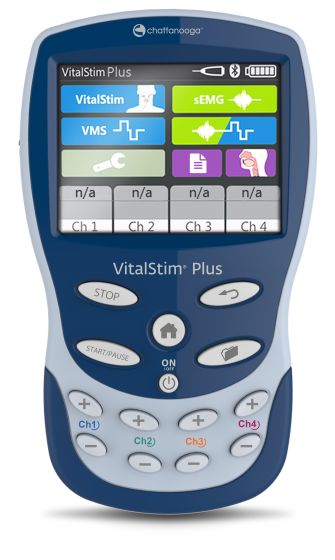
VitalStim Plus Electrotherapy and sEMG Biofeedback System
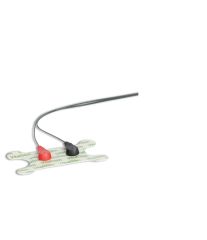
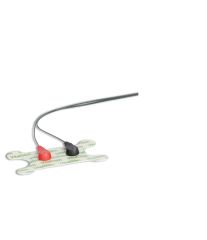
VitalStim provides dysphagia patients with the treatment they deserve and therapists with the support they need. Research shows that the use of neuromuscular electrical stimulation (NMES) relieves patients of the emotional, physical, and financial burdens of feeding tubes—allowing a return to normalcy. It also creates an opportunity for therapists to not only manage their patients’ difficulties, but also to overcome them.
VitalStim Plus neuromuscular electrical stimulation helps recruit and re-educate muscles in the process of swallowing. Under the guidance of a clinician, patients partner in an interactive therapy that aids muscle strengthening to rehabilitate swallowing. Preset or customized programs allow the provider to truly customize treatments while biofeedback and visuals create a patient focused experience that encourages engagement and achievement of goals.
The VitalStim Plus Electrotherapy and sEMG Biofeedback System projects live treatment progress onto a computer or tablet screen. The Screen Mirroring technology allows clinicians to guide patients through personalized, targeted swallowing exercises. sEMG biofeedback helps to increase effort and duration of swallowing attempts and to improve coordination. It also offers the potential for objective evaluation of swallowing function and patterns.
- VitalStim Treatment: The VitalStim waveform is delivered in Co-Contraction Mode. Up to four separate channels deliver stimulation concurrently and pause at the same time.
- VMS Treatment: Customize your treatment protocol by adjusting the parameters of your choice, such as Phase Duration, Frequency, and Work and Rest Time. VMS treatment offers even more flexibility by allowing you to sequence the stimulation in the various channels to more closely match the natural swallowing sequence.
- sEMG Treatment: Electrical signals in the muscle are measured and displayed on a screen and are amplified into sounds that the patient can hear. This feedback increases patient effort and participation, and provides the data and documentation required to measure patient outcomes and quantify progress.
- sEMG + Triggered Stim: The patient initiates the swallowing exercise with the assistance of sEMG biofeedback. When the set threshold is reached, VitalStim Plus will switch to stimulation mode to increase the effort and exercise load.
- Education Videos: VitalStim Plus includes videos that help demonstrate key therapeutic exercises, such as the Masako Exercise, the Mendelsohn Maneuver, the Supraglottic Maneuver, and various Electrode Placements Options.
- Anatomical Library: VitalStim Plus includes a Dysphagia image library of Anatomy, Pathology and Therapeutic Treatment options to assist in educating your patient.
- Bluetooth Technology: Screen mirroring technology projects your live treatment onto a computer or tablet screen. This allows you to guide therapeutic exercise activities and increase patient engagement.
- Treatment data on stimulation and sEMG can be stored, displayed or exported to a PC to track patient progress and generate reports.
- Vitalstim Plus Snap Lead Wires
- Vitalstim Plus Battery Door
- Vitalstim Plus Reference Emg Lead Wire
- Vitalstim Plus Hand Switch
- Vitalstim Plus Stand
- Vitalstim Plus Stylus
- Vitalstim Plus Rubber Sleeve